Discover Premium Single-Origin Arabica Coffee from Myanmar
- kyawzintun95
- Nov 8, 2025
- 3 min read

Coffee lovers often seek unique flavors and stories behind their favorite brew. Myanmar, a country known for its rich culture and diverse landscapes, is emerging as a notable source of premium single-origin Arabica coffee. This blog post explores what makes Myanmar’s Arabica coffee special, how it is grown, and why it deserves a place in your coffee collection.
The Rise of Myanmar as a Coffee Producer
Myanmar’s coffee industry is relatively young compared to traditional coffee-growing countries like Ethiopia or Colombia. However, the country’s climate and geography offer ideal conditions for cultivating high-quality Arabica beans. Coffee farming in Myanmar started gaining momentum in the early 2000s, with smallholder farmers and cooperatives focusing on sustainable practices.
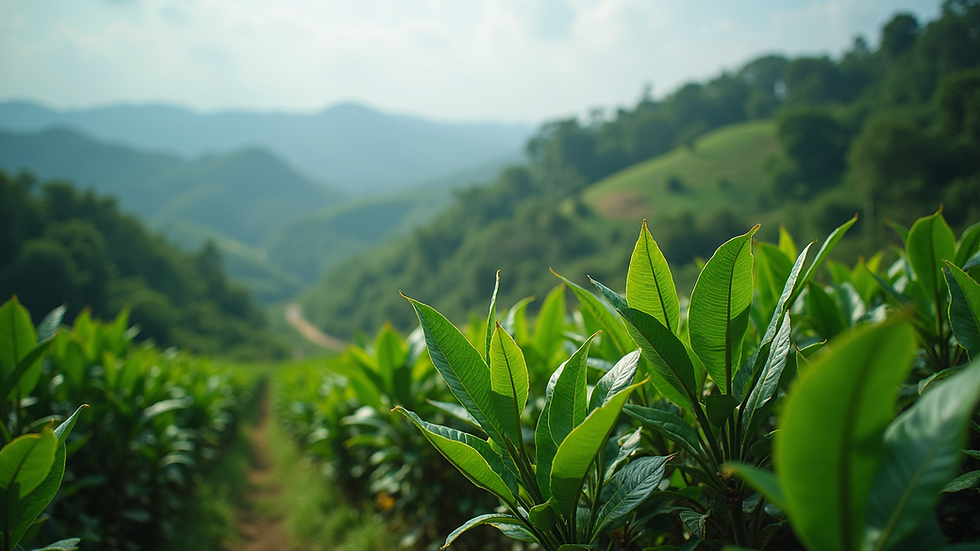
The main coffee-growing regions include Shan State, Kachin State, and Chin State. These areas have high elevations, ranging from 1,000 to 1,600 meters above sea level, which is perfect for Arabica cultivation. The combination of altitude, temperature, and rainfall creates a microclimate that enhances the coffee’s flavor complexity.
What Makes Myanmar Arabica Coffee Unique
Several factors contribute to the distinct taste and quality of Myanmar’s Arabica coffee:
Altitude and Climate
The high-altitude farms provide cooler temperatures that slow down the coffee cherry’s maturation. This slow ripening process allows the beans to develop richer sugars and more complex flavors.
Soil Composition
Volcanic and loamy soils in the coffee regions supply essential nutrients that improve bean quality. These soils retain moisture well, supporting healthy plant growth without excessive irrigation.
Traditional Farming Methods
Many farmers use organic and shade-grown techniques, protecting the coffee plants from direct sunlight and chemical exposure. This approach not only preserves the environment but also enhances the coffee’s aroma and taste.
Varietal Diversity
Myanmar cultivates several Arabica varieties, including Typica, Bourbon, and Catimor. Each variety brings unique flavor notes, from bright citrus and floral hints to chocolate and nutty undertones.
Flavor Profile of Myanmar Arabica Coffee
Tasting Myanmar Arabica coffee reveals a balance of brightness and body that appeals to many palates. Common flavor notes include:
Citrus and stone fruit acidity
Floral and jasmine aromas
Sweet caramel and honey undertones
Mild chocolate and nutty finish
This combination makes Myanmar coffee versatile for different brewing methods, from pour-over to espresso. The clean cup and smooth texture stand out, especially when the beans are freshly roasted.
How Myanmar Coffee Supports Local Communities
Coffee farming in Myanmar is more than just agriculture; it is a source of livelihood for many rural families. Smallholder farmers often work in cooperatives that provide training, access to better seeds, and fair pricing. This support helps improve living standards and encourages sustainable farming.
Several organizations partner with local growers to promote organic certification and export opportunities. By choosing Myanmar Arabica coffee, consumers contribute to economic development and environmental conservation in these regions.
Brewing Tips for Myanmar Arabica Coffee
To enjoy the full potential of Myanmar Arabica coffee, consider these brewing tips:
Use freshly ground beans to preserve delicate aromas.
Opt for medium grind size for drip coffee or finer for espresso.
Brew with water temperature between 90-96°C (194-205°F).
Experiment with brew ratios around 1:15 to 1:17 coffee to water.
Try pour-over or Chemex methods to highlight the coffee’s clarity and brightness.
Where to Find Myanmar Arabica Coffee
Myanmar coffee is becoming more available through specialty coffee shops and online retailers. Look for single-origin labels that specify the region and farm. Some roasters offer limited batches that showcase the unique characteristics of Myanmar beans.
Supporting these producers helps bring attention to a growing coffee culture and encourages further investment in quality and sustainability.
Myanmar’s premium single-origin Arabica coffee offers a fresh and exciting option for coffee enthusiasts. Its unique flavors, sustainable farming practices, and positive impact on local communities make it a choice worth exploring. Next time you seek a new coffee experience, consider Myanmar’s Arabica beans for a cup that tells a story of care, tradition, and nature’s gift.


Comments